There are some things that find you before you even know you are searching for them. For me, it was archives. I joined an organization dedicated to cataloging and preserving private collections of graphic design ephemera, and it opened a door I did not realize I had been standing beside all along. I began thinking differently about what archives hold. Not only history, but the worlds carried through design, language, and music. The things gathered by vinyl collectors and selectors, passed from hand to hand, remembered at kitchen tables, spoken through songs, and kept alive by people long after institutions forget them, or never think to look their way at all.
A couple of years later, I found myself wanting to learn more about women in ranchera music. Growing up, the voices around me were mostly male. Their songs traveled through radios, family gatherings, and long drives. But I began wondering about the women. The ones who had to push their way into venues and concert halls not meant for them. The ones who sang anyway.
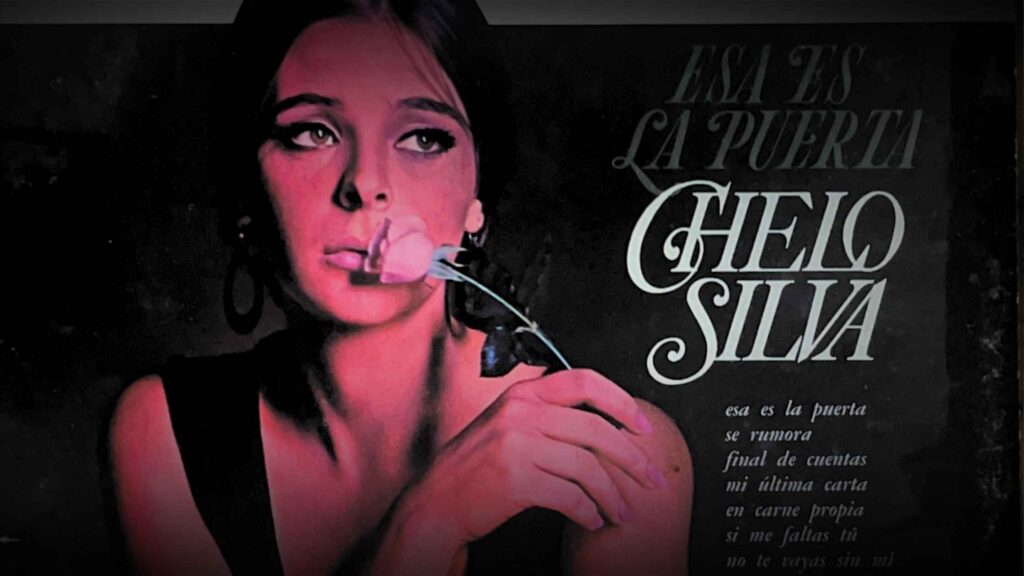
One artist I especially gravitated toward was Chelo Silva. A Mexican-American singer who crossed into Mexico’s music scene at a time when very few could. I kept reading about her and following the traces she left behind. The way people do with stories they recognize before they understand why.
Last weekend, while in Mexicali for a DJ set, I found a Chelo Silva record sitting in a “$30 pesos and under” bin, each record priced at under $2 dollars. Ranchera records are often overlooked in collecting spaces, often carrying little market value despite carrying the lives of ordinary people inside them. Songs of love and heartbreak, desire and grief, of people trying to make room for themselves in a hard and challenging world.
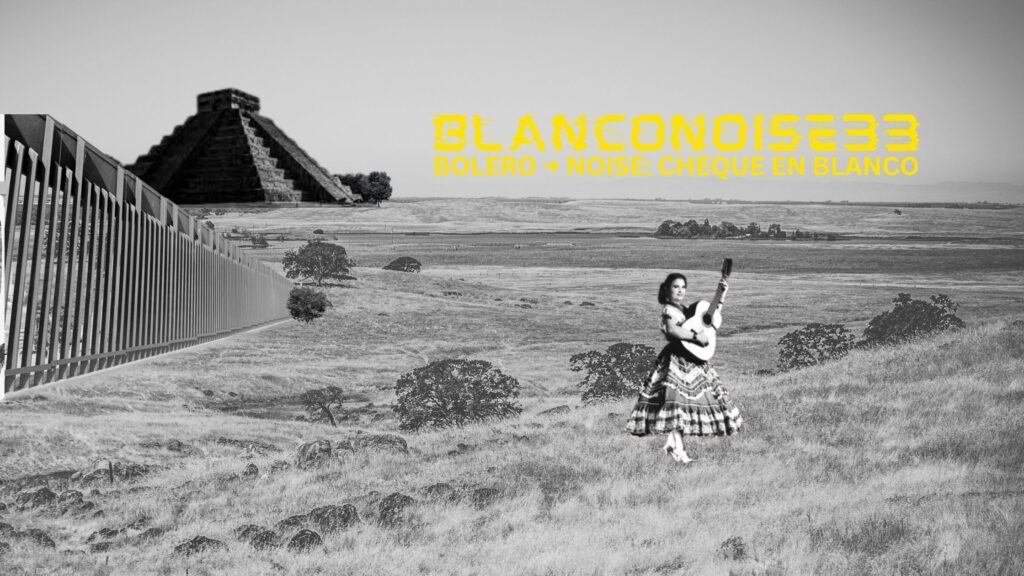
I was ecstatic to finally bring home a Chelo Silva record, especially one found in the borderlands where her voice and sound have long traveled back and forth across lines and landscapes. I also included a remix inspired by Silva’s “Cheque en Blanco,” a small noise experiment I’m calling Rancherita Noise.
Listen here, and explore the album artwork and liner notes here.